What is Augmented Reality?
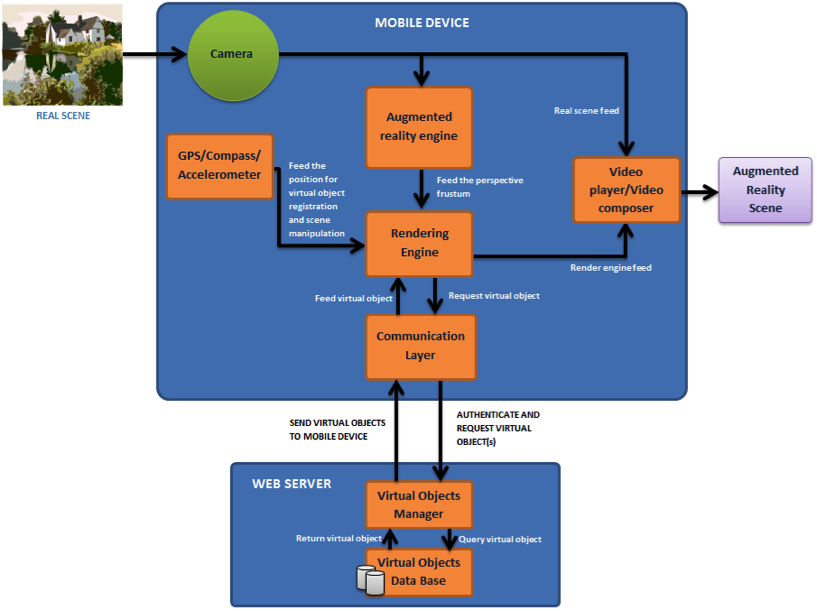
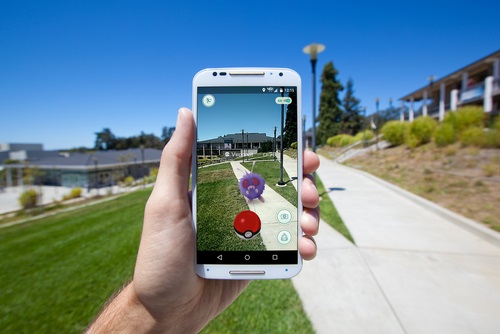
Augmented reality is a variation of Virtual Reality. While virtual reality technologies require a user to inhabit an entirely computer-generated virtual environment, Augmented Reality technologies take computer-generated information such as images, audio, video, and touch or haptic sensations and overlay them in a real-time environment. This enables users to see and experience the real world as a combination of virtual and real-world objects (Kipper, Rampolla 2012).

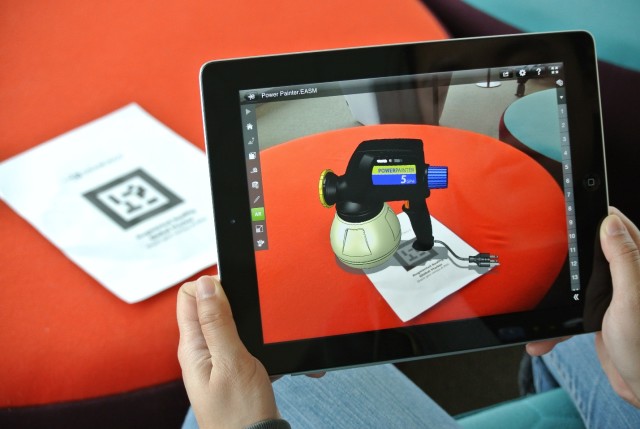
Ex: User can see a computer-generated image (motorbike) on a real-world object(Credit card).

Ex: Head up display used in fighter jets shows an overlay of information such as altitude, speed and an artificial horizon.
Peddie (2017 p.5) argues that Augmented reality will be like having X-ray vision. It will not only give us directions and visualizations of products, it will become the backbone of the scientific and engineering industries.
Most recent developments of AR
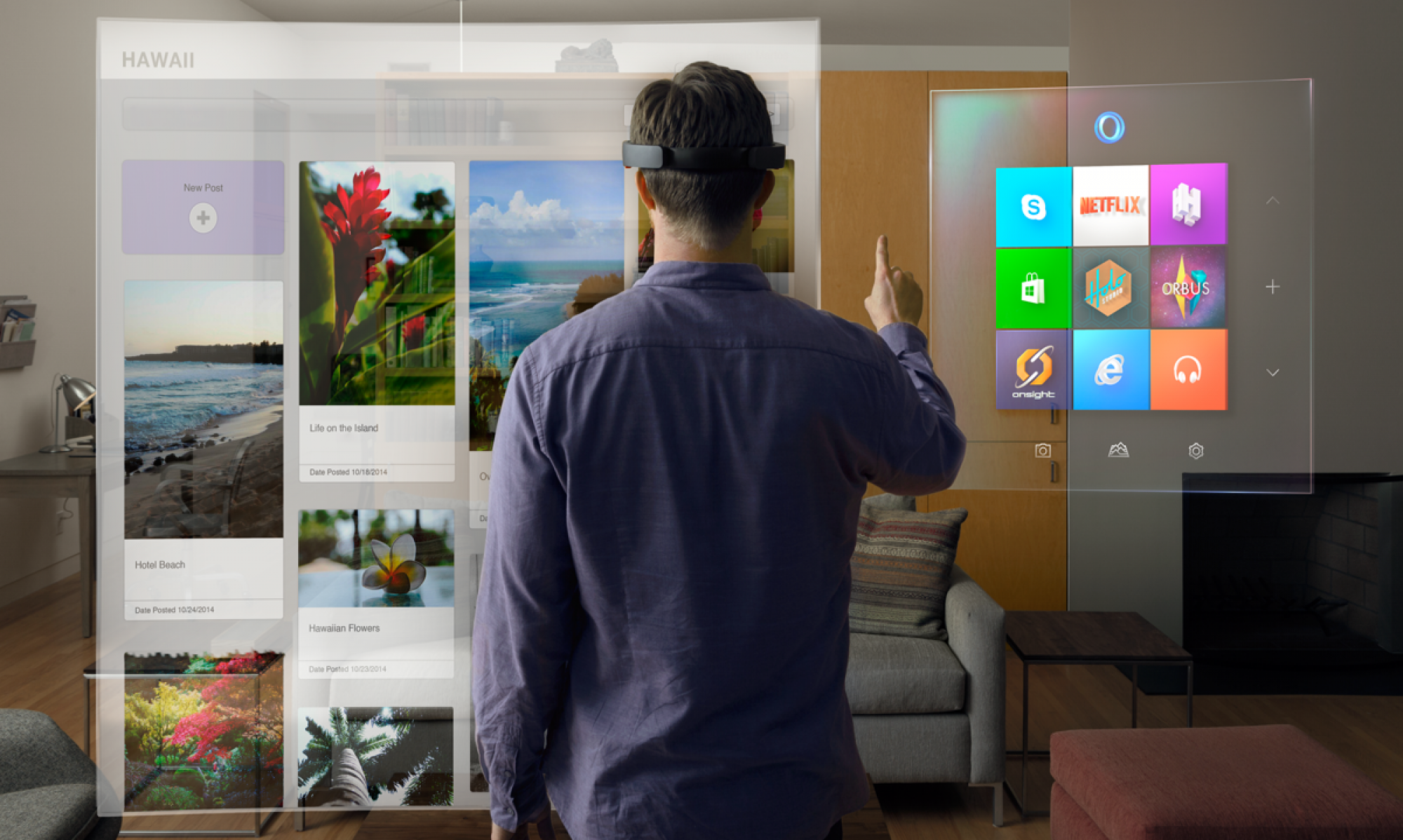
One of the most exciting recent developments of Augmented Reality is vision systems. Most commonly known AR vision systems are AR headsets which are head-mounted displays that enable users to experience simulated virtual objects through a physical optical lens display, allowing users to see both the digital display and real world through the lens.
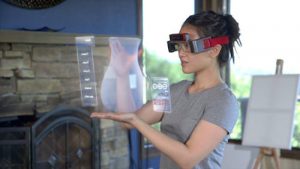
AR Headset which allows users to see virtual objects in a real-world environment.
Another new application of AR vision systems is AVS (Advanced Vision System) developed by General Motors USA. According to Thomes (2017), this system embeds an array of sensors and cameras inside and outside vehicles that could monitor a driver’s eye and head movements and provide relevant additional information to help him deal with current driving conditions. This system helps define the edges of the road and points to upcoming road signs in foggy or dark conditions. With this new technology, the information will be displayed on the car’s windshield, which will be coated with transparent phosphors.
The following video further describe how AVS works,
(General Motors Augmented Reality Windshield, 2010)