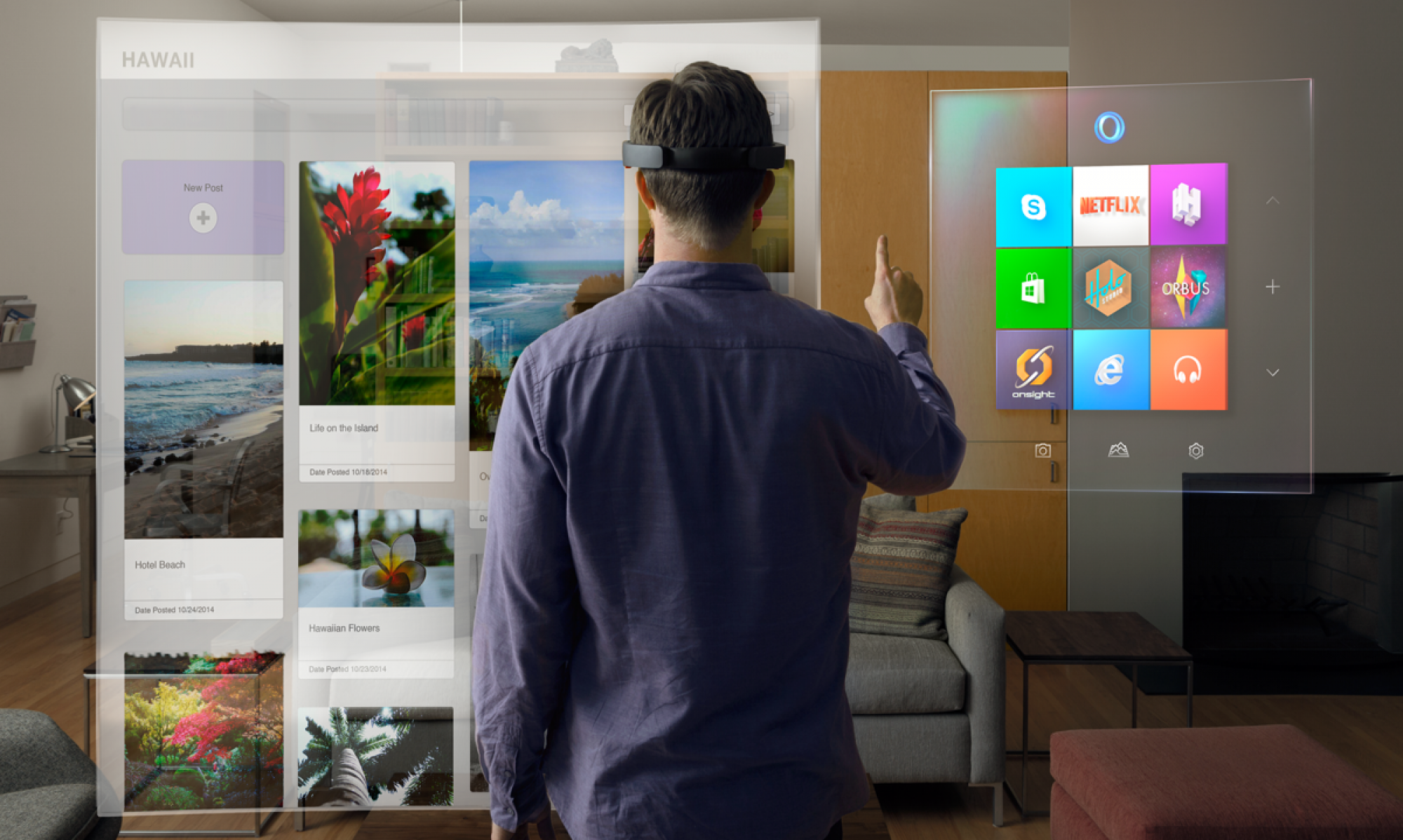
Even though it’s an emerging technology Augmented Reality has already made a strong impact on science, engineering and entertainment industries.
Smart Phones have played a huge part in the success of Augmented Reality. According to Kipper, Rampolla (2012, p24), the mobile phone will act as a bridge of present-day AR and AR of the future. As mobile computing continue to grow in speed and capability, more advanced mobile AR applications will be developed to address more complex real-world situations. This is the main reason for the strong impact made by AR technologies on science, engineering and entertainment industries.
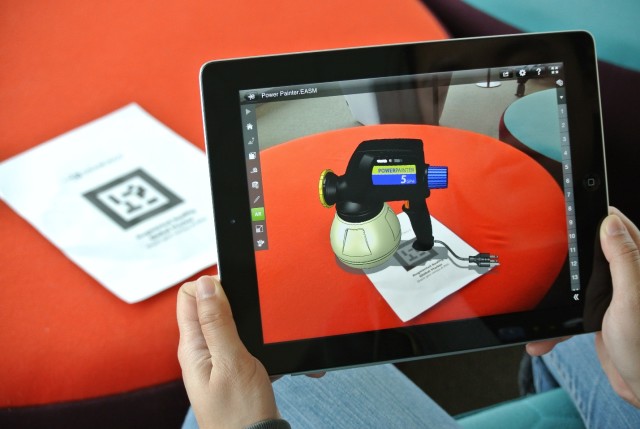
One of the main advantages AR brings to science and engineering fields is the ability show CAD (Computer Aided Drawing) design that exists solely inside of the computer’s design software, as it is meant to appear in the real world. This has made engineering and manufacturing process much easier as AR gives the ability to see the final assembled product to follow during the assembly process. (Heimgartner, 2016 )
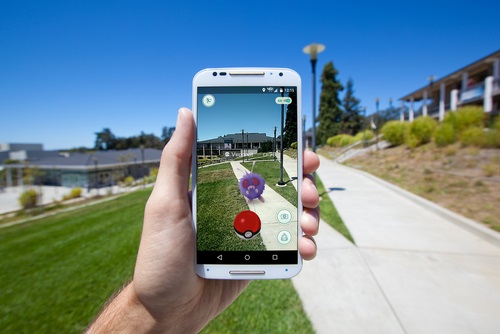
Another exiting application of AR is AR gaming. This involves the integration of game visual and audio content with the user’s environment in real time. Using specialized AR headsets, mobile phones, tablets AR games uses the existing environment and creates a playing field within it. This gives a users an immersive experience with the procreated environment on top of a user’s actual environment. Success of AR breakthrough games like Pokemon Go shows the potential AR in the gaming industry.
Heimgartner (2016) argues that AR development will become $120 billion industry by 2020 as AR applications have already made a huge impact across a myriad of industries such as,
- Archaeology: Display ancient ruins as they looked at a particular site the way they existed in history.
- Art: Help individuals with disabilities create art by tracking eye movement and turning those movements into drawings on a screen.
- Commerce: Show multiple customization options or additional information for a product.
- Education: Superimpose text, graphics, video and audio onto a student’s real-time environment.
- Fashion: Show what different makeup or hairstyle options might look like on a person.
- Gaming: Allow users to experience and interact with a game using a real-world environment.
- Medical: Show patients’ internal organs superimposed over their skin via virtual X-rays.
- Military: Use AR goggles in real time to show people and various objects and mark them with special informative indicators and to warn soldiers of potential dangers.
- Navigation: Label road and street names along with other pertinent information on a real-world map or display on your wind shield showing destination direction, weather, terrain, road conditions and traffic information as well as alerts to potential hazards.
- Sports: Show the first-down line on football games, the flight of a golf ball after it’s hit or puck tracking during hockey games.
- Television: Display weather visualizations and images.
Even though we’re not even close to the Sci-Fi realm of AR technology described in popular motion pictures, AR technology has the potential to completely change the way we see the world.